best practices for cleaning and storing doctor supplies safely
In the healthcare industry, maintaining the cleanliness and proper storage of doctor supplies is crucial for ensuring patient safety and the efficacy of treatments. As we navigate through 2026, the standards for hygiene and organisation have only increased, making it essential for healthcare professionals to adopt best practices in this area.
Understanding the Importance of Cleaning
Cleaning doctor supplies is not just about meeting regulatory requirements; it is about protecting patients and staff from infection and contamination. Regular cleaning helps in eliminating pathogens, reducing the risk of hospital-acquired infections. Supplies such as stethoscopes, thermometers, and surgical instruments should be cleaned after each use, following the manufacturer’s guidelines.
Choosing the Right Cleaning Agents
When cleaning medical supplies, it is important to use agents that are both effective and safe for the materials involved. Disinfectants and detergents should be approved for medical use and free from harmful chemicals that could compromise patient safety. Look for products that have broad-spectrum antimicrobial properties and are compatible with the surfaces of the equipment being cleaned. Always check labels for any contraindications.
People Also Look For:
- SuccorWare Small First Aid Kit - 100 Piece - Mini First Aid Kit for Home, Camping, Hiking, Backpacking, Travel, Vehicle, Outdoors ...
- AWD Medical Xeroform Petrolatum Dressing 5x9 - Non-Adhering Gauze Pads - Fine Mesh Gauze Patch Sterile - Healthcare Supplies for W...
- First Aid Kit 160 PCS – All-in-One Emergency Medical Supplies for Home, Work, Car, Travel and Outdoors
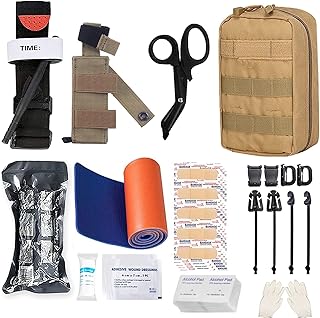
- Relikee Emergency Survival Kits, Tactical Military Trauma First Aid Kit, Molle EMT IFAK Pouch Outdoor Gear Tourniquet Bandage Blee...
- 210-Piece Premium First Aid Kit for Home, Car, Travel, and Workplace – Comprehensive Emergency Medical Supplies – Co...
Cleaning Techniques
Different supplies require different cleaning techniques. For surfaces that do not come into contact with bodily fluids, a simple wipe down with a disinfectant wipe may suffice. However, items like surgical instruments require thorough cleaning, often involving soaking in appropriate solutions and mechanical cleaning devices. For highly sensitive equipment, such as electronic monitors, use a lint-free cloth and avoid any moisture from entering the device.
Storing Doctor Supplies Safely
Once cleaned, the next step is proper storage. Supplies should be stored in a clean, dry environment that is free from dust and contamination. Consider the following guidelines:
- Organise by use: Store supplies based on frequency of use to ensure easy access during emergencies. This can minimise the time spent searching for essential items.
- Labeling: Clearly label storage areas and containers. This promotes efficiency and helps in maintaining inventory levels.
- Temperature control: Ensure that storage areas are climate controlled to prevent damage to sensitive supplies. For instance, certain medications may require refrigeration.
Inventory Management
An effective inventory management system is vital for ensuring that supplies do not expire or become obsolete. Regularly audit stock levels and check expiration dates. Implement a first-in, first-out system to use older supplies before newer ones. Consider integrating digital tracking systems to keep accurate records of inventory.
Training Staff
Health care providers should receive regular training on the best practices for cleaning and storing supplies. Workshops should include demonstrations of proper cleaning techniques and the importance of maintaining an organised storage system. Encourage staff to report any concerns regarding supplies, ensuring that everyone takes responsibility for maintaining hygiene.
Keeping Up to Date with Regulations
Finally, staying informed about the latest regulations and guidelines from health authorities is critical. Attend training sessions and subscribe to relevant publications that provide updates on best practices for cleaning and storing medical supplies. Compliance not only helps in providing better patient care but also reduces liability for the healthcare facility.
![FosPower Emergency Rain Poncho [4 Pack] [Retains 90% Body He](https://m.media-amazon.com/images/I/61tnJJfmwIL._AC_UL320_.jpg)