navigating the basics of essential doctor supplies for new practices
Starting a new medical practice in 2026 is an exciting venture, but it also comes with its fair share of challenges. One of the critical aspects to consider is ensuring you are well-equipped with the essential supplies needed for your day-to-day operations. This guide will walk you through the basics of doctor supplies that every new practice should consider.
Medical Equipment
First and foremost, having the right medical equipment is vital. Depending on your specialisation, the equipment may vary, but some essentials include stethoscopes, sphygmomanometers for blood pressure measurements, otoscopes for ear examinations, and basic examination tables. It is wise to invest in high-quality equipment, as this can enhance diagnostic accuracy and improve patient outcomes.
Consumables
Consumables are items you will use frequently, and maintaining a steady stock is crucial. This category includes gloves, gauze, bandages, syringes, and needles. In recent years, there has been a shift towards sustainable products, so consider eco-friendly supplies where possible. It is also prudent to establish relationships with reliable suppliers who can provide you with these essentials consistently.
People Also Look For:
- SuccorWare Small First Aid Kit - 100 Piece - Mini First Aid Kit for Home, Camping, Hiking, Backpacking, Travel, Vehicle, Outdoors ...
- 7 Day Pill Box Organiser Medicine Storage Box Tablet Organiser Dispenser Weekly Storage Pill Case 1 Times A Day Easy Open Push But...
- SuccorWare Small First Aid Kit - 100 Piece - Mini First Aid Kit for Home, Camping, Hiking, Backpacking, Travel, Vehicle, Outdoors ...
- 170 Piece Premium First Aid Kit Bag - Compact Emergency Medical Supplies for Home, Office, Car, Caravan, Workplace, Travel and Spo...
- TheDogTagCo Dog First AID KIT - Over 40 Health Supplies - Compact & Portable - Be Prepared for Any Pet Emergency V2
Diagnostic Tools
In addition to general medical equipment, having diagnostic tools is essential. Equipment like thermometers, pulse oximeters, and ECG machines can greatly assist in patient assessment. Ensure that your diagnostic tools are calibrated and maintained regularly for optimal performance. If you provide laboratory services, consider investing in point-of-care testing devices to facilitate immediate diagnosis.
Office Supplies and IT Equipment
Beyond medical supplies, you will need a robust selection of office supplies and IT equipment. This includes computers, printers, and software for managing patient records and appointments. In 2026, electronic health record systems have become a standard, so investing in user-friendly software tailored to your practice is essential. Additionally, ensure you have reliable internet access to facilitate communication and telehealth services.
Patient Comfort Items
Creating a welcoming environment for patients is crucial for any practice. Consider stocking comfortable waiting room furniture, reading materials, and items such as blankets or hot beverages. Patient comfort can significantly impact their experience and encourage return visits. Additionally, having educational materials on health topics can help inform patients while they wait.
Emergency Supplies
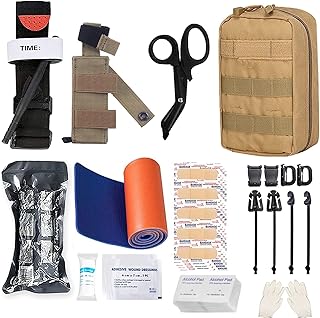
No medical practice is complete without a well-stocked emergency kit. This should include items like adhesive bandages, antiseptics, oxygen masks, and an automated external defibrillator (AED). Regularly check your emergency supplies to ensure everything is within date and ready for use. Training your staff in emergency procedures can also enhance safety in your practice.
Personal Protective Equipment
With ongoing health concerns, personal protective equipment (PPE) remains essential. Ensure you have enough masks, face shields, and gowns for both staff and patients. Regularly review and update your PPE stock to adhere to the latest health guidelines. Staying informed about the latest recommendations from health authorities will help you maintain a safe practice environment.
Inventory Management
Finally, managing your inventory effectively is crucial for ensuring that you never run out of essential supplies. Implement an inventory management system that helps track stock levels and alerts you when items need replenishing. Regular audits of your supplies will also help you understand usage patterns and adjust orders accordingly, preventing overstocking or shortage of critical items.
![FosPower Emergency Rain Poncho [4 Pack] [Retains 90% Body He](https://m.media-amazon.com/images/I/61tnJJfmwIL._AC_UL320_.jpg)